
Dental Retainers
Dental Retainer Treatment
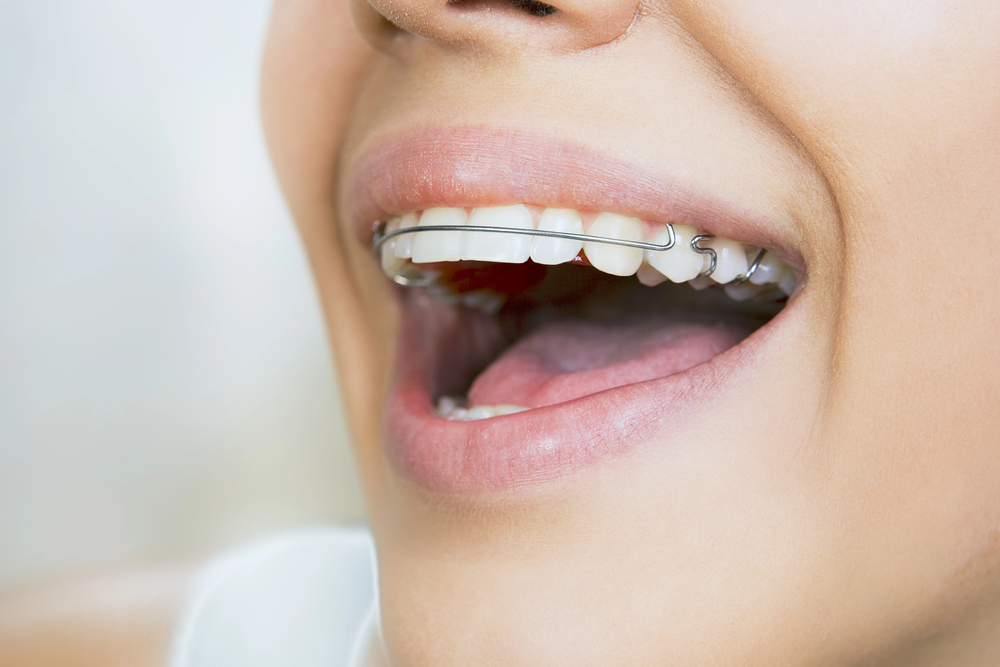
At Peterson Family Orthodontics, your orthodontic treatment doesn’t end when the braces come off or aligners are finished.
Dental retainers play a critical role in keeping your smile straight, healthy, and stable after orthodontic treatment. Retainers help prevent teeth from shifting back toward their original positions, protecting the time and investment you’ve made in your smile.
Whether you’ve just completed treatment or need a replacement retainer, our team will help you find the right option for long-term results.
Dental Retainer Benefits
Comfortable, effective, and custom-made for lasting results.
Custom-fit for individual comfort and accuracy
Helps prevent teeth from shifting after treatment
Dental retainer options for all: including teens and adults
Designed to support long-term orthodontic results
What Are Dental Retainers?
Dental retainers are custom orthodontic appliances designed to hold teeth in their corrected positions after braces or Invisalign®. Your dental retainer is designed to support your treatment plan.
At Peterson Family Orthodontics, we offer different types of retainers based on your treatment, bite, and lifestyle. Retainers are commonly recommended after:
- Braces treatment
- Invisalign® treatment
- Orthodontic relapse or shifting
- Bite correction
Wearing your retainer as directed is one of the most important steps in maintaining your smile for years to come.

What Type of Dental Retainer Is Right for You?
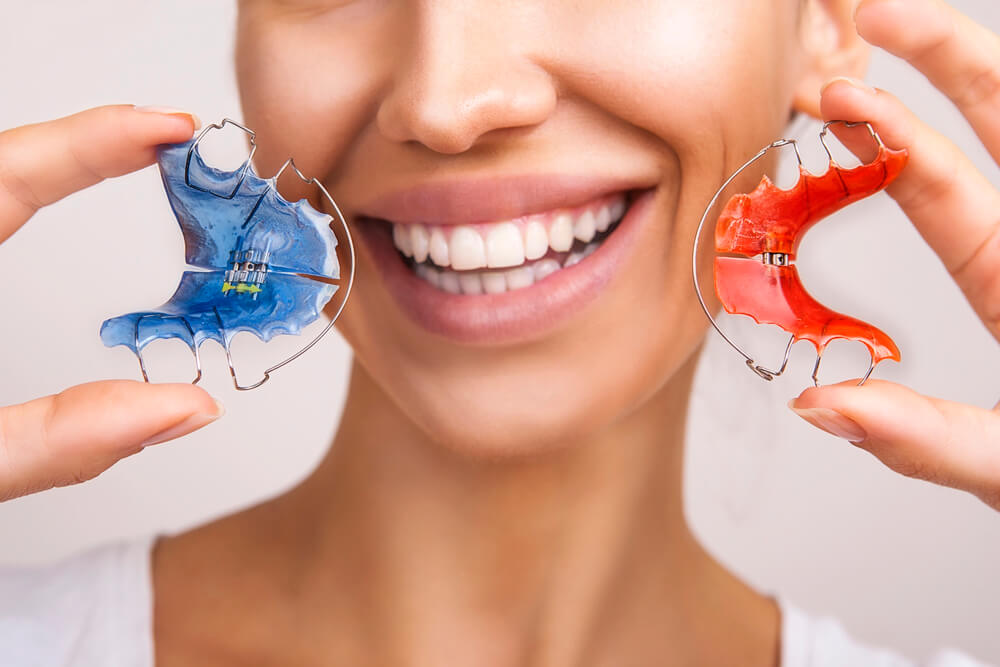
Our orthodontic team will recommend the best retainer based on your needs. Common options include:
- Clear retainers – Thin, removable, and discreet
- Hawley retainers – Durable retainers with a wire and acrylic base
- Fixed (bonded) retainers – A thin wire placed behind the teeth for continuous support
Each option is designed to keep your teeth in place while fitting comfortably into your daily routine.
How Dental Retainers Work
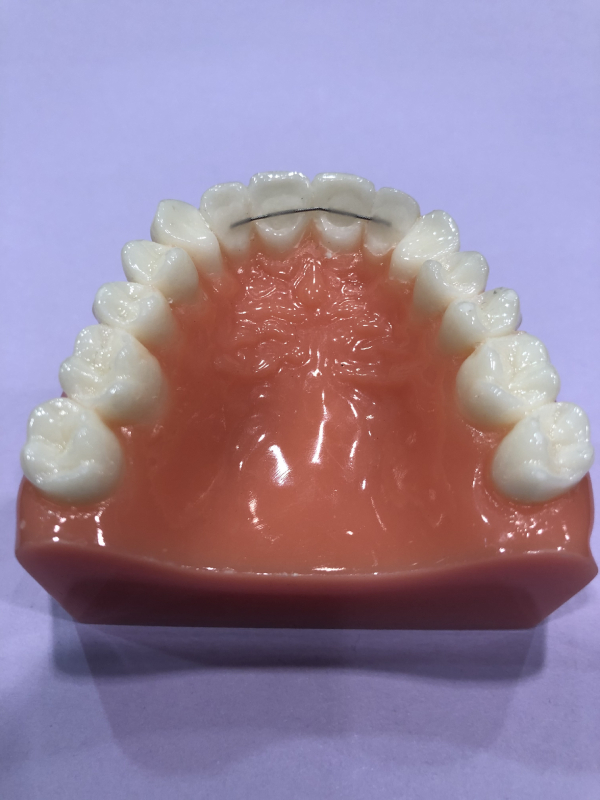
After orthodontic treatment, teeth naturally want to shift as the surrounding bone and tissues settle. Retainers help guide this process by holding teeth steady while your smile stabilizes.
Most patients start with full-time retainer wear and transition to nighttime wear over time. Your orthodontist will provide personalized instructions to ensure the best long-term outcome and protect your orthodontic results.
Why Retainers Matter After Orthodontic Treatment
Skipping or inconsistently wearing your acrylic or metal dental retainer can allow teeth to move—even years after treatment ends.
Dental retainers help to preserve your final results and reduce the risk of relapse. They help to avoid the need for future corrective treatment while keeping your smile looking its best.
Simply put, retainers are a simple step that makes a big difference.
Get Long-Term Dental Retainer Help
We believe orthodontic care doesn’t stop when treatment ends. It continues with proper retention and follow-up support. Dental retainers are an essential part of good orthodontic health. Our team is here to help you:
Replace lost or broken retainers
Adjust retainer fit as needed
Answer your questions
Protect your smile long-term
Dental Retainers Keep Your Smile Straight for Years to Come
If you’ve finished orthodontic treatment or need new dental retainers for orthodontic maintenance, we’re here to help. Talk with the Peterson Family Orthodontics team about dental retainer treatment and how to protect your smile for the long run.
How long do dental retainers last?
The lifespan of a dental retainer depends on the type, how often it’s worn, and how well it’s cared for. Some retainers last several years, while others may need replacement sooner due to normal wear, cracking, or changes in fit over time. If you think you might need a dental retainer replacement, talk to our team.
What happens if I stop wearing my retainer?
If you stop wearing a retainer as directed, teeth can gradually shift out of alignment, even years after orthodontic treatment. This movement may be subtle at first but can eventually affect your bite and smile.
How often should I replace my dental retainer?
You should replace your dental retainer if it no longer fits properly, shows signs of damage, or becomes uncomfortable. Changes in your bite or dental work may also require a new retainer to ensure proper support.
Can dental retainers break or warp?
Yes, retainers can warp if exposed to heat, such as hot water or being left in a hot car. They can also crack or break if dropped, chewed on, or not stored in a protective case when not in use.
Is it normal for a retainer to feel tight?
A retainer may feel tight if it hasn’t been worn consistently or if there has been minor tooth movement. Tightness can be a sign that teeth are trying to shift, which is why regular wear is important.
What should I do if I lose my retainer?
If you lose your dental retainer, it’s best to contact your orthodontic office as soon as possible. Delaying replacement can increase the chance of tooth movement and may affect how well a new retainer fits.
Can adults wear dental retainers long-term?
Yes, many adults wear dental retainers long-term to maintain their orthodontic results. Long-term or nighttime wear is common and can help preserve alignment as natural changes occur with age.