
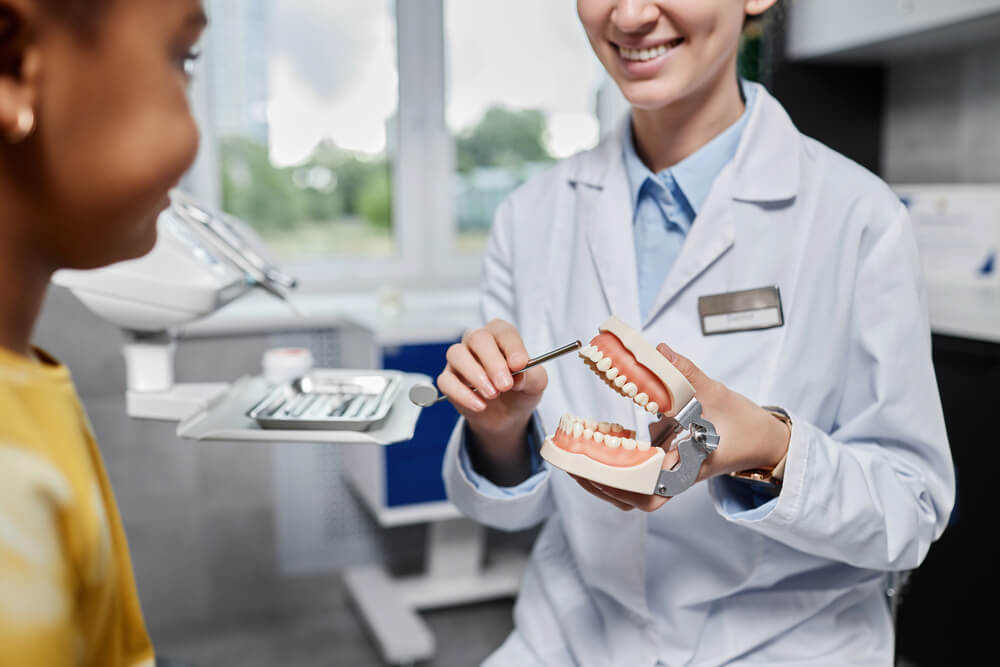
Your first orthodontist appointment is a relaxed, informative visit where you’ll learn more about your smile and treatment options to straighten your teeth.
Key Takeaways
- Your very first orthodontist appointment will focus on evaluating your smile.
- You’ll receive photos, X-rays, or digital scans to assess your teeth and bite.
- Before you leave the orthodontist, you’ll understand your treatment options and a typical timeline.
Are you wondering what happens at your first orthodontist appointment? If you’re feeling a little nervous or simply curious about what to expect, this guide will prepare you so you can confidently walk into the orthodontist’s office and know exactly what to expect.s at your first orthodontist appointment. If you’re feeling a little nervous or simply curious about what to expect, this guide will prepare you so you can confidently walk into the orthodontist’s office and know exactly what to expect.
What Will Happen at Your First Orthodontist Appointment

If you’ve never been to an orthodontist before, it’s normal to feel unsure about what the first appointment is like. The meeting will be simple and stress-free, and it typically follows a few common steps.
Meet the Orthodontist and Staff
On the day of your consultation, you’ll be greeted by the office team and asked to complete some paperwork if you haven’t already done so. These forms collect your medical and dental history and help the orthodontist tailor a plan for you.
You’ll then meet the orthodontist, who will introduce themselves, review your information, and make sure you’re comfortable. This is your chance to get to know the people who will help improve your smile, and it’s important that you feel comfortable with them.
Get Photos, X-Rays, or Scans of Your Teeth
The orthodontist will do a comprehensive examination. They’ll look at your teeth, jaws, and bite. They’ll also probably take digital photos and X‑rays. Some offices use 3D scans or impressions to create detailed models of your mouth.
These diagnostic tools are painless and help the orthodontist see things that aren’t visible to the naked eye, such as the roots of your teeth or how your jaw joints line up. The orthodontist will show you what your teeth look like and use those models or photos to help you understand your treatment options.
Talk About Your Teeth and Bite
Once the exam is complete, the orthodontist will discuss what they found. They’ll explain any issues like crowding, spacing, or bite problems you may have. They’ll also allow you to ask questions. If you don’t understand something, always ask for clarification.
The orthodontist will also ask you about symptoms such as jaw pain or habits like thumb sucking. They need to know more about your experiences and lifestyle, so don’t be shy about sharing.
Review Treatment Options
After your exam, your orthodontist will recommend a treatment plan based on your teeth, bite and long-term goals. There isn’t one single “best” option for everyone. The right orthodontic treatment depends on how complex your alignment issues are, your age, your lifestyle, and how much responsibility you’re ready to take on to straighten your teeth.
During this conversation, your orthodontist will explain how each option works, how long treatment may take, and what kind of daily care you’ll be required to perform. Ask questions. Make sure you understand why a certain option is recommended and what results you can expect. When you understand your choices, you can decide with confidence.
Below are some of the most common orthodontic treatments and who they’re typically best for. Reviewing them ahead of your appointment can help you feel more prepared and confident during the conversation.
Traditional Metal Braces
Traditional metal braces are the most common orthodontic treatment for teens. They use brackets and wires to move your teeth into the right position gently.
Metal braces are often best for:
- Kids and teens
- Patients with more complex bite issues
- Anyone who may struggle to remember wearing removable appliances
Because braces stay on your teeth, you don’t have to worry about taking them out. They work around the clock, which makes them a reliable option for many patients.
Clear Ceramic Braces
Clear ceramic braces work the same way as metal braces, but the brackets blend in more with your natural tooth color.
Clear braces are often best for:
- Older teens
- Adults who want a less noticeable way to straighten their teeth
- Patients who need the strength of traditional braces but prefer a more subtle look
You’ll still need to avoid certain foods and brush carefully around brackets, but many patients like the balance between appearance and effectiveness that comes with ceramic braces.
Clear Aligners
Clear aligners are one of the most common adult orthodontic treatment plans. They use a series of custom-made trays to move your teeth gradually. You wear them most of the day and switch to a new set every few weeks.
Clear aligners are often best for:
- Responsible teens and adults
- Patients who want a nearly invisible option
- People who prefer to remove their appliance for meals and brushing
Keep in mind that aligners only work if you wear them as directed. If you leave them out too often, your orthodontic treatment can take longer.
Early Interceptive Treatment
Orthodontics for kids uses early interceptive treatment before all of their adult teeth come in. This approach guides the child’s jaw growth and creates space for permanent teeth.
Early interceptive treatment is often best for:
- Children with significant bite problems
- Kids with severe crowding
- Patients who may benefit from early jaw correction
In many cases, early interceptive treatment can reduce the need for more complicated orthodontic treatment later on. It doesn’t always mean that your child will get full braces right away.
Schedule Your Orthodontic Treatments
After you choose a treatment plan, the next step is getting you on the orthodontist’s schedule. Some offices can start treatment on the same day; others may set a separate appointment to place braces or deliver aligners.
How To Prepare To See the Orthodontist for the First Time
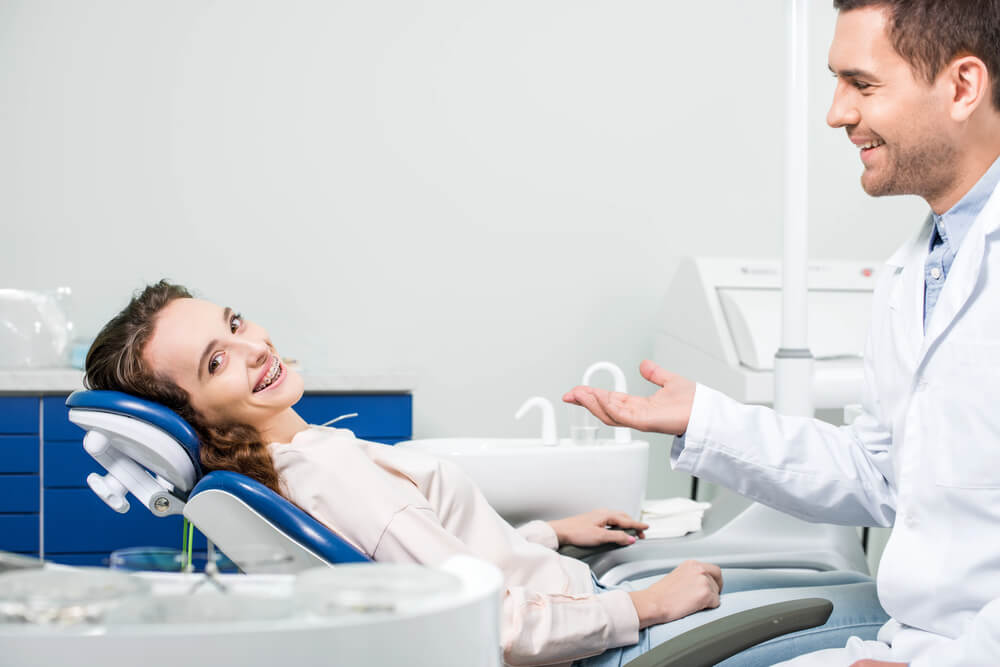
Now that you know what will happen at your first orthodontist appointment, here’s how to prepare for it so you don’t miss anything important.
Gather Insurance and Paperwork
Before your orthodontic appointment, prepare to bring any past dental and medical records, a list of medications, and any recent X‑rays. Don’t forget your insurance card so the office can verify your insurance benefits.
If you’re a minor, have a parent or guardian accompany you so they can provide consent and ask questions.
Think About What You Want to Ask
It’s easy to forget questions once you’re in the chair, so jot them down ahead of time. Think about your goals and concerns:
- How long will my treatment take?
- What types of orthodontic appliances are available to me?
- How much do braces cost?
- How will braces affect activities like sports or playing music?
Coming prepared to your first orthodontist appointment with questions allows you to get clear answers and feel more confident about the process.
Brush and Floss Before Your Visit
Good oral hygiene helps the orthodontist get the clearest view of your teeth. Brush and floss thoroughly on the day of your appointment. If you’re due for a dental cleaning, schedule one before your consultation. Clean teeth and healthy gums make orthodontic examinations and impressions easier.
Arrive a Little Early
Plan to arrive 10–15 minutes early so you have time to check in and complete any pre-visit forms. Arriving early can also help reduce your stress if going to the dentist has been hard for you before.
What To Do After Your First Orthodontist Appointment
Your first orthodontist appointment is designed to give you answers. What you do next depends on whether you started treatment that day or decided to think about your options. Either way, here’s how to move forward confidently.
Review the Treatment Plan at Home
After your visit, take time to go over the treatment plan your orthodontist recommended. Carefully review the estimated timeline, the orthodontic appliances your orthodontist suggested, and the projected treatment cost.
It’s also common to leave your first orthodontist appointment feeling like you received a lot of information all at once. Between discussing bite alignment, reviewing X-rays, and talking about braces or aligners, it’s easy to forget some of the details later.
If something wasn’t clear, write down your questions as they come to mind so you can address them in your next appointment. Or if you need to know that information to move forward with treatment, you can call the orthodontist’s office for clarification.
Orthodontic treatment is a commitment that can last months or years. Taking time to review the plan and treatment options will help you feel confident about your decision.
Talk Through Options With Family or Caregivers
Your orthodontic treatment can affect your daily routines, so you want to be sure the timing makes sense for your life. Treatment can affect:
- School schedules
- Sports or band participation
- Work commitments
- Family routines
Talk through the recommended treatment plan with your family members or caregivers and make sure everyone is on the same page about what’s required.
Follow Any Care Instructions You Were Given
If appliances were placed on your teeth during your first orthodontist appointment, follow your care instructions closely. They may include:
- Eating soft foods for a few days
- Using orthodontic wax for irritation
- Wearing elastics as directed
- Cleaning aligners properly
You may experience mild soreness as your teeth begin to shift. Keep your treatment on track by maintaining good oral hygiene and following your orthodontist’s instructions closely.
Your First Orthodontist Appointment at Peterson Family Ortho Is Simple and Stress-Free

If you’re looking for an orthodontist in Queen Creek or San Tan Valley, AZ, that offers personalized care, check out Peterson Family Orthodontics. From your first orthodontic visit, you’ll see how much Dr. Scott Peterson and his team care about making you comfortable.
Our clinic uses advanced digital technology and designs treatment plans tailored to your unique smile. No matter what orthodontic solution you’re offered, every option is explained so you can make a confident decision.
We also offer flexible payment plans and a warm, family-friendly environment that makes each visit easy. Are you ready to get started? Schedule a free consultation at Peterson Family Orthodontics and take the first step toward a healthy, confident smile.