

The cost of orthodontic treatment in Queen Creek depends on the type of braces or aligners you choose, how complex your case is, your insurance coverage, and the orthodontist providing your care.
Key Takeaways
- On average, standard orthodontic treatment in Queen Creek costs between $3,000 and $6,500.
- Many dental insurance plans cover about 50% of treatment for dependents under 19, but most stop paying once you reach a lifetime orthodontic maximum, usually between $1,000 and $3,000.
- Monthly payment plans, HSAs, FSAs, and family discounts can help spread out the cost of braces instead of paying everything up front.
If you’re looking into orthodontic treatment in Queen Creek, Arizona, for yourself or your child, the cost is usually one of the first questions people ask about. Braces and clear aligners are a long-term investment, and most families want a clear idea of what to expect before getting started.
The reality is that prices can look different from one patient to the next. Your final cost often depends on the details of your treatment plan and the approach recommended by your orthodontist.
Factors Influencing the Cost of Orthodontic Treatment in Queen Creek
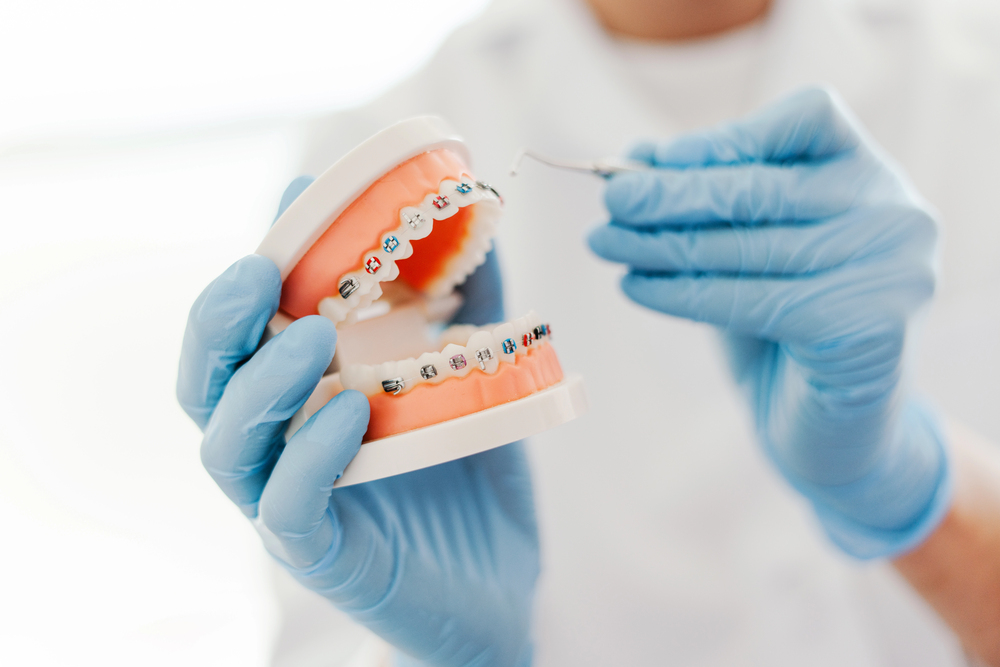
Comprehensive orthodontic treatment in Arizona often costs between $3,000 and $6,500 for standard cases, while more advanced appliances or complex orthodontic issues can push the price higher. Several factors influence how much your treatment will cost.
1. The Type of Braces You Get
How much your braces cost in Arizona depends on what type of appliance you get.
Traditional Metal Braces
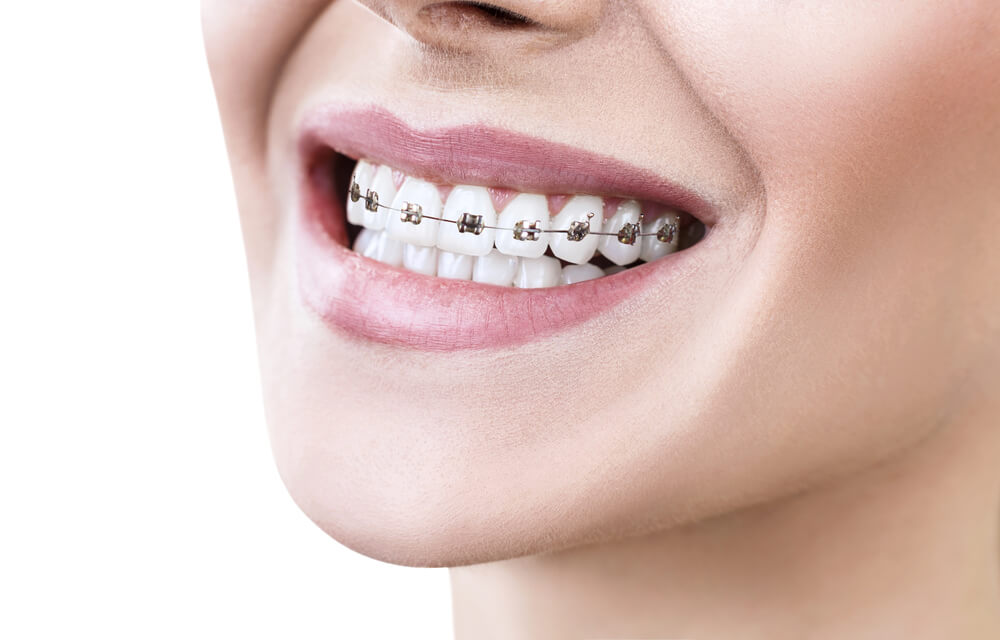
Traditional metal braces are usually the most cost-effective type of braces in Queen Creek, typically costing around $3,000 to $7,500. In Phoenix-area pricing comparisons, treatment for teens often falls closer to $3,000 to $6,000, while adult treatment may land around $4,000 to $7,500.
That lower price point is one reason metal braces remain so common. They’re durable, reliable, and effective for correcting everything from mild spacing to more challenging bite problems.
Ceramic Braces
Ceramic braces do the same job as metal braces, but they use clear or tooth-colored brackets that blend in more naturally with teeth. They’re good options for older teens and adults who want something less noticeable for school, work, or photos. Because the materials for ceramic braces are more delicate and require more time to adjust, they usually cost $4,000 to $8,500.
Lingual Braces
Lingual braces sit behind the teeth instead of on the front, which makes them hard to see. They are also typically the most expensive option, often landing around $8,000 to $13,000.
Why is the jump in costs so high? Lingual braces are highly customized. The brackets must fit the back surfaces of your teeth, appointments can take longer, and fewer orthodontists in Queen Creek offer them because they require specialized training.
If you’re an adult professional who wants the most discreet fixed option possible, lingual braces may be worth considering. If your priority is keeping costs lower, this is usually not the first orthodontic treatment option people pick.
Clear Aligners
Clear aligners, like Invisalign and Spark, often cost about $3,500 to $8,500, though more detailed treatment plans can climb higher. The final price of Invisalign® in Queen Creek often depends on how many trays you need and how long the treatment will last.
A simple relapse case, where teeth shifted after old braces treatment, may need fewer aligners and fewer visits. A more involved case with bite correction may need more trays, attachments, refinements, and a longer schedule.
2. How Complex Your Orthodontic Case Is
One of the biggest factors affecting the cost of orthodontic treatment in Queen Creek is how complex your case is. The amount of tooth movement required, the type of bite issue involved, and whether other dental conditions are present all shape how long treatment lasts and how much planning is required.
Orthodontic treatment timelines often reflect that complexity:
- Simple cases: About 6–12 months
- Moderate cases: About 12–24 months
- Complex cases: About 24–36 months
For instance, a teenager with mild crowding may only need routine checkups every few weeks and could finish treatment in well under two years. An adult with bite problems, missing teeth, or gum issues may need a longer plan. In some cases, the orthodontist may also coordinate care with a general dentist or another specialist.
3. Who Performs the Orthodontic Work
Who provides your orthodontic care can also influence the cost of treatment. Some general dentists offer braces or clear aligners, but a board-certified orthodontist has additional specialty training focused specifically on moving teeth and correcting bite problems.
Orthodontists spend several extra years in residency learning how to plan and manage complex cases. That level of experience can affect pricing, especially when treatment is more involved. At the same time, it means you’re getting care from a specialist whose training is dedicated entirely to orthodontics, which can lead to more precise treatment planning and better long-term results.
4. Your Dental Insurance Coverage
Dental insurance can make a big difference in the cost of orthodontic treatment in Queen Creek. Many dental plans cover about 50% of orthodontic treatment costs, but only up to a lifetime orthodontic maximum. That maximum often falls between $1,000 and $3,000 per person.
For example, imagine your braces cost $5,500. If your plan covers 50% up to a $2,000 lifetime maximum, the insurance company may stop paying once it reaches $2,000—even though half of the treatment cost would be $2,750. That’s why it’s important to look at the lifetime maximum, not just the percentage listed in your benefits.
Age Limits
Many insurance plans only cover orthodontic treatment for dependents under 18 or 19 years old. This is one reason braces for adults can be more expensive. The treatment itself may be similar, but adults are more likely to pay most or all of the cost out of pocket.
Waiting Periods
Some dental insurance plans also have waiting periods. In certain cases, you may need to keep the insurance coverage for 6 to 12 months before orthodontic benefits become available. If you start your treatment before that waiting period ends, you won’t be able to apply those benefits.
5. The Technology Used in Your Orthodontic Treatment
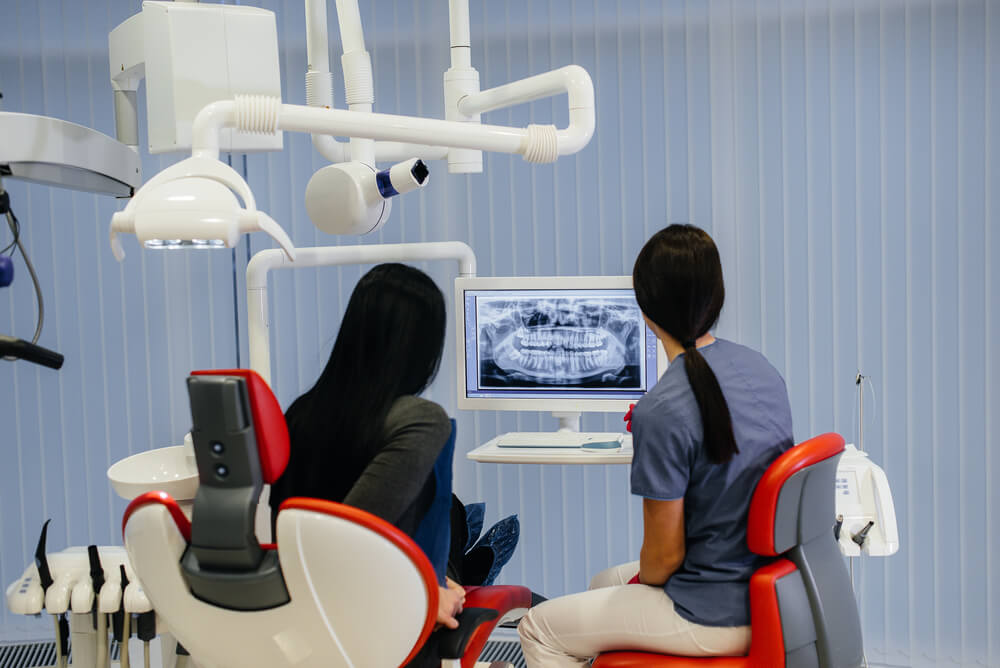
Technology can also play a role in how much Queen Creek orthodontics cost. Many orthodontic practices invest in advanced digital tools, and those systems are often part of the overall treatment cost.
Examples include:
- Digital scanners that replace traditional impressions
- 3D imaging to analyze tooth and jaw positioning
- AI-assisted treatment planning
- Custom clear aligner systems
- Self-ligating brackets designed to reduce friction
When you see a higher fee for orthodontic treatment, it often reflects the technology, planning, and customization behind your care. Advanced digital tools help orthodontists plan treatment more precisely and sometimes reduce the number of adjustment visits you need. In many cases, that means you’ll have fewer appointments to plan around and a schedule that’s easier to manage while still getting accurate results.
Ways To Manage the Cost of Orthodontic Treatment
Many families in Queen Creek make braces more affordable by relying on treatment financing options that spread costs out over time.
1. Ask About Payment Plans
Many orthodontic offices offer monthly payment plans that spread the cost of treatment over time. Peterson Family Orthodontics offers a tool to estimate what your monthly treatment may cost based on your down payment, insurance contribution, and payment length. That can help you plan your monthly amount before committing to treatment.
2. Use a Health Savings Account or a Flexible Spending Account
Using Health Savings Accounts (HSAs) or Flexible Spending Accounts (FSAs) can be one of the most practical ways to lower orthodontic costs because you’re using pre-tax dollars. These accounts let you set aside money from your paycheck before taxes to pay for qualified medical and dental expenses, including braces or clear aligners. Because the money isn’t taxed, the effective cost of treatment can be lower than paying entirely from regular take-home income.
HSAs typically roll over from year to year, so unused funds stay in the account instead of expiring. FSAs require a little more attention because many follow a use-it-or-lose-it rule at the end of the year. If you still have funds remaining in November or December, those dollars can often go toward a braces down payment, an aligner start fee, or additional payments on an existing orthodontic plan.
3. Ask About Family or Multi-Patient Discounts
If more than one person in your household needs orthodontic care, ask whether the orthodontist offers a family or multi-patient discount. Many practices do. This can make a real difference for families starting braces for two children at once or for a parent and teen beginning treatment around the same time. It’s also a helpful question to ask when comparing orthodontists in Queen Creek.
4. Ask About Paying Upfront for a Discount
Some orthodontic practices offer a discount if you pay a larger portion upfront or pay in full at the start of treatment. Not every office provides this option, but it can be worth asking about because even a small percentage discount may save a meaningful amount over the life of the treatment plan. A natural time to ask about this is during your first orthodontist appointment.
Peterson Family Orthodontics Makes Orthodontic Treatment in Queen Creek Accessible
At Peterson Family Orthodontics, patients receive personalized care from Dr. Scott Peterson and a team that focuses on comfort, efficiency, and long-term results. Our practice uses modern tools like digital scanners to make visits easier and more precise, while flexible payment options help make care accessible for families. Most importantly, patients are treated like part of the family, not just another appointment on the schedule. If you’re exploring orthodontic treatment in Queen Creek, schedule a free consultation with Peterson Family Orthodontics. We offer the experience, technology, and welcoming environment to help you feel confident about your smile.