
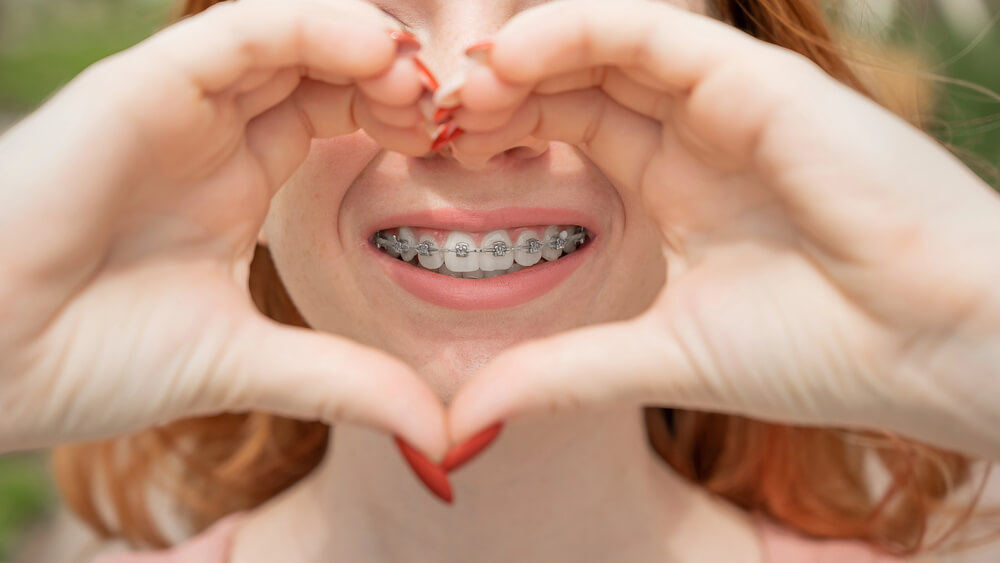
Braces can transform your smile, but before you commit, it helps to know how long you’ll need to wear them.
Key Takeaways
- Most people wear braces between 12 and 24 months, though mild cases can finish in as little as six months.
- Your age, the appliance you choose, and how well you follow your treatment plan all affect how long you wear braces.
- After braces come off, wearing a retainer is essential to keeping your results long-term.
Getting orthodontic work can be a real commitment, and one of the first questions most people ask is how long they have to wear braces. The answer depends on several factors, from how complex your case is to the type of appliance you choose. Understanding what affects how long braces take can also help you feel more prepared before treatment begins.
What Is the Minimum Time for Braces Treatment?
The minimum time for braces treatment is around six months, but that only applies to very mild cases involving minor spacing or slight crowding. For most patients, treatment takes at least 12 months. Your board-certified orthodontist will examine your teeth, jaw, and bite before setting a realistic estimate.
What Is the Average Braces Treatment Timeline?
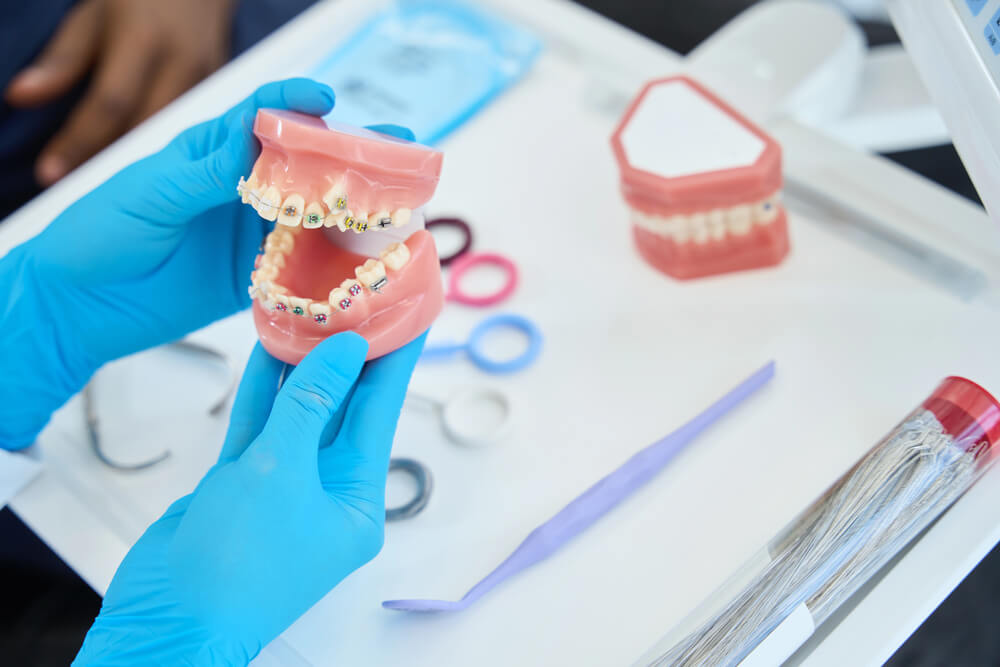
Braces treatment time generally falls into three categories, depending on how much correction your smile needs.
Minor Corrections: 6 to 12 Months
Mild spacing or slight crowding can often be fixed with braces in 6 to 12 months. Braces for teens can work efficiently in minor cases because teens’ teeth often respond well to gentle pressure from the braces. Treatment may also be shorter when the bite and jaw already line up well. In that case, the braces mainly need to move the teeth into better positions instead of correcting bigger alignment problems.
Moderate Orthodontic Issues: 12 to 24 Months
Braces treatment for moderate cases, such as noticeable crowding, spacing, or mild bite problems, typically takes between 12 and 24 months. This is also the most common timeline for adult braces treatment, especially for those whose teeth have gradually shifted over time.
Major Bite or Alignment Corrections: 24 Months or Longer
Significant overbites, underbites, severe crowding, or jaw issues can push treatment to 24 months or more. These cases go beyond moving individual teeth. When the upper and lower jaws don’t line up correctly, treatment usually takes more time because the braces need to improve the bite and help the results stay in place.
Do You Still Need Treatment After Braces Come Off?
Once active treatment ends, wearing orthodontic retainers keeps your teeth from shifting. Your orthodontist may have you wear your retainer most of the day at first, then switch to nighttime wear. Many patients continue wearing retainers at night for life to help maintain their results.
What Affects How Long You Have To Wear Braces?
Several factors determine how long braces stay on, and some are entirely within your control.
Type of Braces
The braces you choose can have a real impact on your treatment timeline. Metal braces are bonded to your teeth and work around the clock without you having to do anything. That constant pressure is part of why they tend to be one of the faster options, especially for more complex cases.
Clear braces, also called ceramic braces, use tooth-colored brackets that blend in more naturally. They work the same way metal braces do, so there is no real difference in treatment timelines between clear and metal braces.
Clear aligners are a different story because they’re removable. The American Association of Orthodontists recommends wearing them 20 to 22 hours a day. If you regularly skip hours of wear, your teeth won’t move on schedule and your treatment will take longer.
Age and Jaw Development
Kids and teens tend to move through treatment faster because their jaws are still growing, which makes teeth easier to shift. Adults get great results too, but a fully developed jaw means tooth movement can take a little more time.
Severity of Your Orthodontic Case
The more your teeth need to move, the longer your braces treatment will take. A mild crowding fix wraps up much faster than a case that also involves correcting your bite. Your orthodontist looks at the full picture, not just what’s visible, when putting your plan together.
How Well You Follow Your Orthodontist’s Instructions
If you don’t stick to your orthodontist’s instructions, you can easily add months to your braces treatment timeline. With clear and metal braces that are fixed, eating hard or sticky foods can snap brackets off and set your progress back.
With aligners, every hour you’re not wearing them is an hour your teeth aren’t moving. Elastics and other add-ons your orthodontist prescribes are part of the plan, and skipping them or missing your appointments will all slow down your treatment.
Get a Personalized Braces Timeline From Peterson Family Orthodontics

At Peterson Family Orthodontics, Dr. Scott Peterson builds every treatment plan around what your smile actually needs. If you’re exploring braces in Queen Creek for yourself or someone in your family, you’ll walk out of your first visit knowing what to expect and how long you’ll have to wear your braces.
Our team uses advanced digital tools to plan care accurately, and flexible payment options make getting started easier. Schedule an orthodontic consultation with Peterson Family Orthodontics today to get started.