

When choosing between clear aligners and braces, the right fit depends on your lifestyle, the complexity of your case, and how you want to manage your treatment day to day.
Key Takeaways
- Clear aligners can work well for simpler spacing and alignment concerns, while braces may offer more control for larger tooth or bite changes.
- Clear aligners are removable and low-profile, but they require 22 hours of wear each day to stay effective.
- Braces stay in place full-time and may be the more budget-friendly option for some treatment plans.
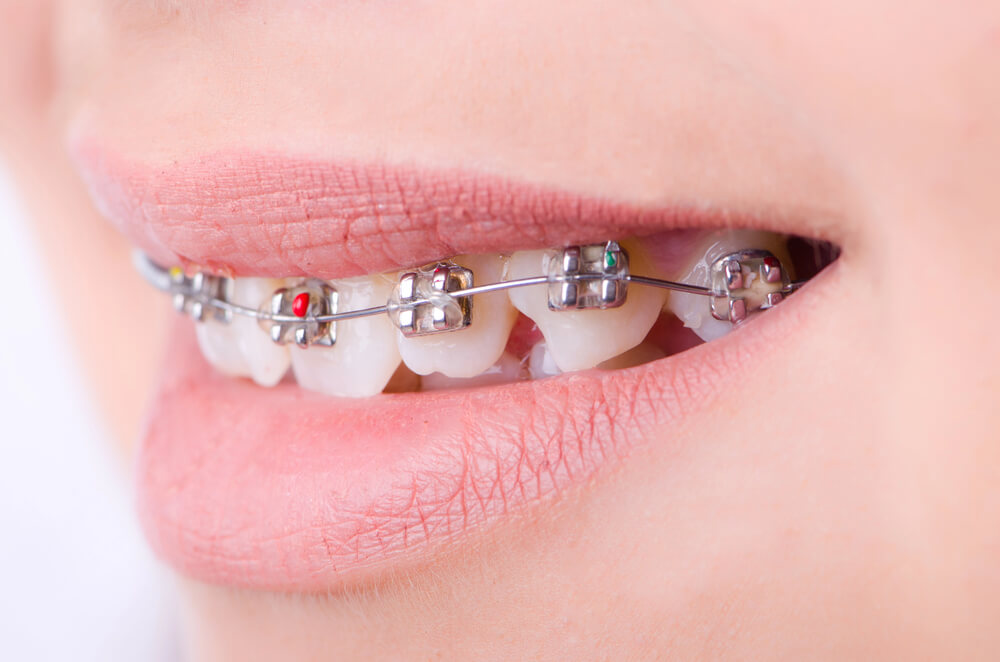
Starting the journey toward a straighter smile is an exciting step, but it also brings up some practical questions. One of the first things you’ll need to figure out is which type of treatment fits your life best. You can choose traditional braces, which stay attached to your teeth to move them, or clear aligners, which use removable plastic trays to do the same work. Are clear aligners better than braces, or are both options equally effective?
Are Clear Aligners Just as Good as Braces?
For mild to moderate alignment issues, clear aligners like Invisalign® often produce results that are on par with traditional braces. When cases involve significant bite correction, severe crowding, or complex tooth movement, braces typically give your orthodontist more control and predictability over how your teeth shift.
Your treatment time for clear aligners and braces can be similar, often ranging from about one to three years, but mild aligner cases may finish sooner, while more complex bite issues may take longer with either option. Getting a professional orthodontic evaluation is always the smartest first step before committing to either path.
Are Clear Aligners Better Than Braces for Teens?
Deciding between Invisalign® and braces for a teenager usually comes down to how much responsibility they’re ready to handle. Clear aligners can be helpful because they can be removed for contact sports or playing an instrument. However, they only work if they are worn for at least 22 hours a day. Every hour they spend sitting on a nightstand instead of in the mouth can slow down progress and change the treatment timeline.
On the other hand, traditional braces stay on the teeth and work 24/7. There is no guesswork involved, and nothing to lose or forget. For a busy teen, that constant progress can be a huge benefit. By looking closely at the pros and cons of both braces and clear aligners, you can choose the path that best fits your child’s personality and your family’s schedule.
Pros and Cons of Clear Aligners vs. Braces
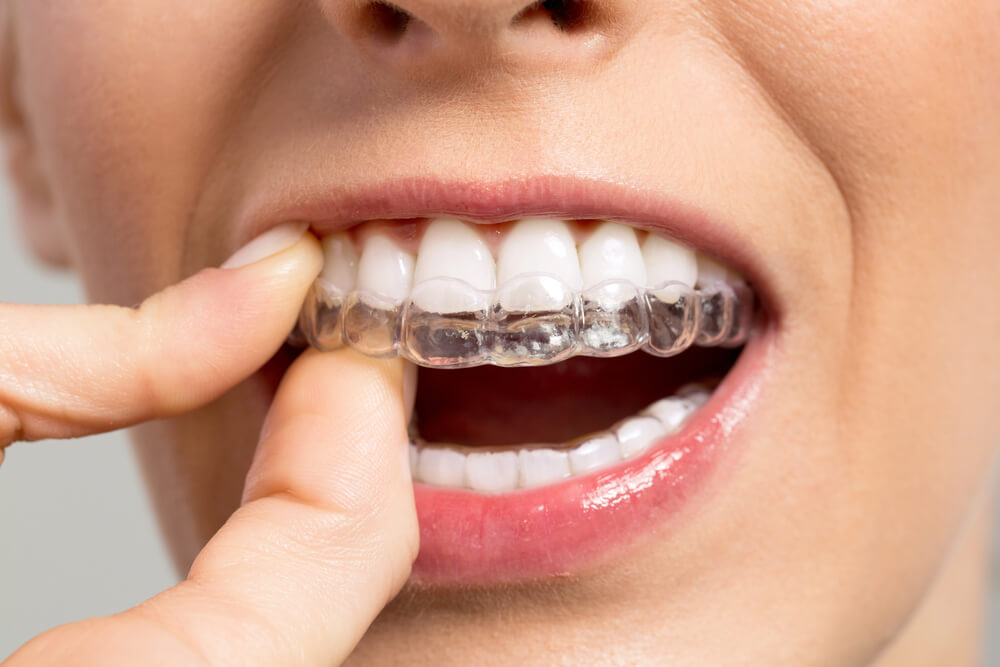
Both clear aligners and braces have real strengths and genuine limitations. The comparison below can help you understand what each treatment may involve before your consultation.
Advantages of Clear Aligners
Clear aligners are a popular option if you want a more flexible and low-profile way to straighten your teeth. Key benefits of clear aligners include:
- A more discreet look, since the clear trays fit closely over the teeth
- Easy meals and snacks, since the trays come out before eating
- Simple brushing and flossing, with no brackets or wires to clean around
- A smooth feel in the mouth, since aligners don’t use metal brackets or wires
- A good option for many mild to moderate cases, especially when the main goal is improving alignment or spacing
If you’re interested in Invisalign® in Queen Creek, you can schedule a consultation with Peterson Family Orthodontics. Our orthodontic team can review your teeth, bite, and goals to see whether clear aligners are the right fit.
Advantages of Braces
Braces come in more than one style, including traditional metal and clear ceramic options, so you have some say in how they look while still getting the same reliable results. Key benefits of braces include:
- Precise tooth movement, including turning teeth, closing gaps, and improving the bite
- A good fit for more complex needs, such as crowded teeth or bite problems
- Steady progress, since braces stay on the teeth throughout treatment
- Less to manage each day, with no trays to remove, store, or keep track of
- Fewer delays from lost or forgotten aligners
- Often the more affordable starting point, with metal braces typically ranging from $3,000 to $7,500
You usually need a little time to get used to eating, brushing, and flossing with braces. Your orthodontic team will explain how to care for them, which foods to avoid, and what to expect at each visit.
Disadvantages of Clear Aligners
Clear aligners can be a great option, but you’re responsible for using and caring for the trays correctly. Possible drawbacks of teeth aligners include:
- Must be worn as directed each day to keep treatment moving forward
- Can be easy to misplace when removed for meals, brushing, or flossing
- May lead to delays or extra costs if trays are lost or damaged
- Need to clean aligners daily to help keep them clear, fresh, and odor-free
- Generally cost more than traditional braces, with some treatment plans falling between $3,500 and $8,500
Clear aligners work best if you’re comfortable keeping track of your trays and building wear time into your daily routine. Your orthodontist can explain what that looks like before treatment begins.
Disadvantages of Braces
Braces are dependable, but they also come with a few changes to your normal habits. Because they stay on your teeth, you need to take extra care during meals and cleaning.
Possible drawbacks of braces include:
- More noticeable on the teeth than clear aligners
- Food limits, especially sticky, crunchy, or hard foods
- More time needed for brushing and flossing around brackets and wires
- Possible mouth irritation from brackets or wires, especially early in treatment
- Occasional repair visits if a bracket comes loose or a wire shifts
Most of these changes become easier as you adjust to braces. With good brushing habits, smart food choices, and regular orthodontic visits, braces can still be a reliable and effective way to improve alignment and create a healthier smile.
Get a Straighter Smile With Braces or Clear Aligners

At Peterson Family Orthodontics, Dr. Scott Peterson and his team help people in Queen Creek and San Tan Valley find the right treatment for their smile. You’ll get a thorough evaluation, clear answers, and a plan built around your specific needs.
Our practice uses modern digital tools for precise treatment planning, and flexible payment options make care accessible for families on any budget. To find out whether clear aligners or braces are the right fit for your smile, schedule an orthodontic consultation with Peterson Family Orthodontics today.