
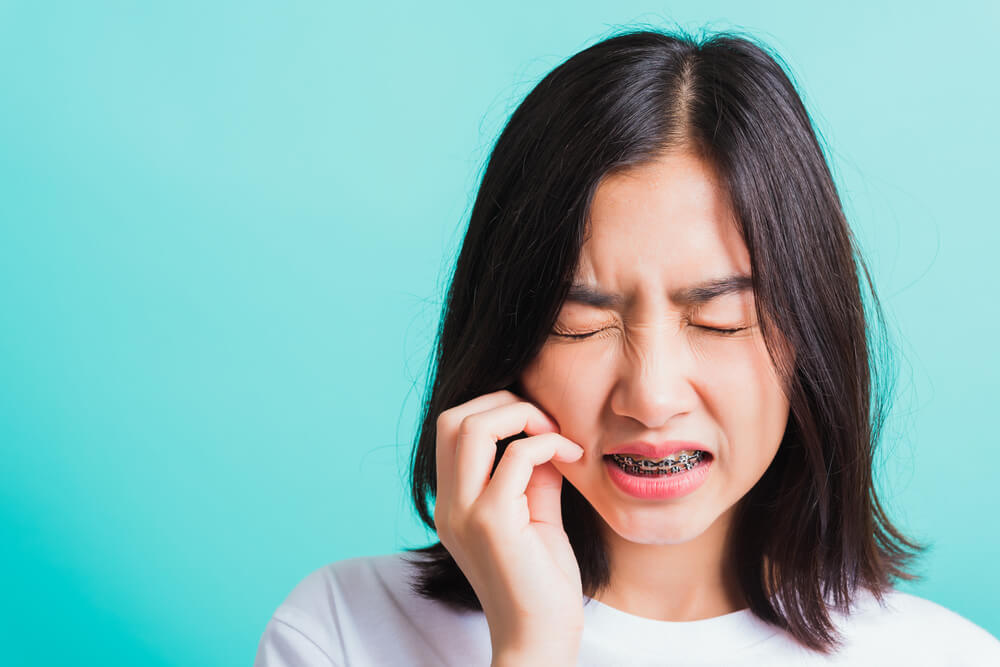
Braces move your teeth, and that can cause pain. But the soreness that comes with them doesn’t stick around nearly as long as most people expect.
Key Takeaways
- Braces hurt the most during the first two to three days after placement, and that soreness usually fades within one to two weeks.
- After routine orthodontic adjustments, you may feel mild pressure or tenderness for one to three days, but it’s usually less uncomfortable than when you first get braces.
- The Synapse Dental Pain Eraser is a drug-free handheld device that uses gentle microcurrent to calm dental discomfort.
- Soft foods, cold compresses, salt water rinses, and orthodontic wax all shorten how long braces hurt after treatment.
Braces work by placing steady, gentle pressure on your teeth. That pressure slowly reshapes the bone and ligaments around each root so your teeth can shift into better positions. Your body reacts to those changes, which is why your teeth and gums can feel tender, achy, or sensitive for a little while.
It’s a normal part of the orthodontic process, and it doesn’t last forever. But how long do braces hurt before you’ll actually get some relief?
When Do Braces Stop Hurting?
Most people feel the worst of the soreness during the first two to three days after getting braces, and the tenderness usually clears up within one to two weeks. After that, you should feel much more comfortable as you adjust to wearing braces.
The following timeline explains what you can expect during the first week after getting braces and after future adjustments.
The First Few Hours After Getting Braces
Getting braces put on doesn’t hurt. Your orthodontist cleans your teeth, attaches the brackets with adhesive, and threads the wire through them.
You may feel pressure or a strange new fullness in your mouth, but no sharp pain. Discomfort tends to show up a few hours later, once your teeth begin responding to the pressure. This is a good window to eat something soft while your mouth still feels normal.
When Braces Hurt the Most
During the first three days, your teeth may ache when you bite down, and foods you normally eat comfortably may feel painful or difficult to chew.
Your cheeks and lips are also getting used to the brackets, so you might notice rubbing or small sore spots. Some patients develop swollen gums as their mouth reacts to the new appliances, which is common and usually temporary.
When Braces Soreness Starts To Ease
By day four or five, your braces will start aching. Chewing gets easier, and you can slowly return to firmer foods. Any irritated spots inside your cheeks begin to toughen up, and the brackets stop feeling so bulky.
If your mouth still feels sore after two full weeks, or if the pain is getting worse instead of better, call your orthodontist so they can check the wire and brackets.
The Weeks After an Adjustment
Every four to eight weeks, your orthodontist tightens or changes your wire to keep your teeth moving. Your braces may hurt a little after an adjustment, but the tenderness is usually much milder than what you experienced when you first got them.
As treatment continues, you’ll also become more familiar with what helps you stay comfortable after an adjustment. The same relief methods that worked during your first week with braces can help, although you may find that you need them less often over time.
How Can You Make Braces Stop Hurting Faster?
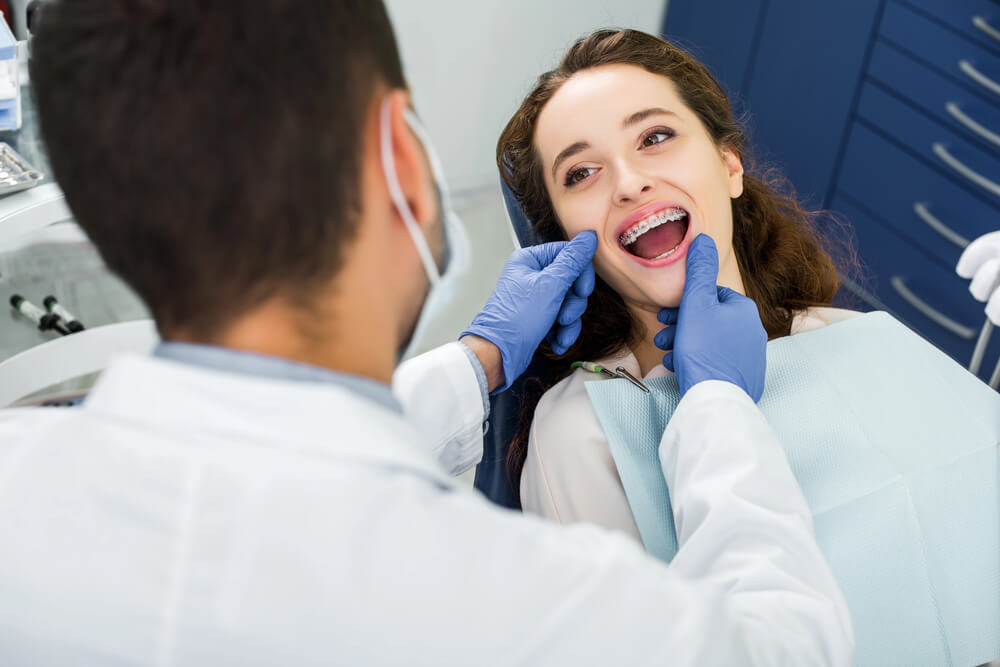
A handful of simple strategies can shorten how long the discomfort from braces lasts and make the achy days much easier to get through.
Use a Synapse Dental Pain Eraser
A Synapse Dental Pain Eraser is a small, drug-free device that uses gentle electrical impulses to change how nerves send pain signals to the brain. At Peterson Family Orthodontics, the device is placed on the sore tooth or gum, and treatment often takes just 20 to 30 seconds. You can repeat the treatment as needed if the discomfort returns.
Because it doesn’t rely on medication, the Synapse Dental Pain Eraser can be a helpful option for patients who want another way to manage discomfort from braces.
Take Over-the-Counter Pain Relievers
Medications like acetaminophen or ibuprofen can dull orthodontic soreness when it peaks. Taking a dose about an hour before an adjustment appointment often keeps the discomfort from building later that day.
Always follow the dosing directions on the package, and check with your doctor first if you take other medications or have health conditions. Never place a pain reliever tablet directly against your gums, since that can burn the tissue.
Apply a Cold Compress
Cold reduces inflammation and numbs the area, which is why an ice pack held against your jaw for 10 to 15 minutes feels so good when your braces hurt. Wrap the ice pack in a thin towel to protect your skin, then take a break before repeating.
Cold water, smoothies, and ice cream can also provide cooling relief for sore teeth and gums.
Eat Soft Foods for a Day or Two
Chewing puts extra pressure on teeth that are already tender, so give your mouth a break with some of the following foods:
- Yogurt, applesauce, and pudding
- Scrambled eggs and mashed potatoes
- Soups, broths, and oatmeal
- Pasta and soft-cooked vegetables
- Smoothies and protein shakes
Skip eating anything crunchy, chewy, or sticky during this stretch. Those foods hurt more and can damage brackets.
Rinse With Warm Salt Water
Dissolve about half a teaspoon of salt in a cup of warm water. Gargle and swish the salt water in your mouth for 30 seconds, and spit it out. This rinse soothes irritated gums and cheeks and helps keep small sore spots clean while they heal.
You can rinse with the warm salt water three or four times a day, especially after meals. This is one of the cheapest and most reliable ways to calm the soft tissue in your mouth.
Use Orthodontic Wax on Irritating Brackets or Wires
When a bracket keeps rubbing and creating a sore spot in your mouth, orthodontic wax creates a smooth barrier between the metal and your cheek. Dry the bracket with a tissue, pinch off a small piece of wax, and press it into place.
Replace the wax after meals and brushing. If a wire is poking you and wax isn’t enough to calm the soreness, your orthodontist can trim or tuck the wire during a quick office visit.
Your Braces Don’t Have To Hurt for Long With the Right Treatment

At Peterson Family Orthodontics, Dr. Scott Peterson and his team help you understand what to expect from braces and how to manage soreness when it comes up. If you’re concerned about how long your braces will hurt, we can walk you through what’s normal and help you stay more comfortable throughout treatment.
We offer comfort-focused tools like the Synapse Dental Pain Eraser to help make orthodontic treatment easier when your braces hurt. We also use digital technology to keep appointments efficient, and we can get you in to address a bothersome wire or bracket between visits if needed.
Book a free consultation with Dr. Scott Peterson to learn more about getting braces in San Tan Valley, AZ, and take the next step toward a straighter smile.