
Interceptive orthodontics is a form of early treatment that corrects jaw and bite problems while a child is still growing, often making future orthodontic care simpler or shorter.
Key Takeaways
- Interceptive orthodontics uses appliances like palate expanders, space maintainers, and habit appliances to guide jaw growth and correct developing problems before permanent teeth fully come in.
- The American Association of Orthodontists recommends that children have their first orthodontic evaluation by age 7.
- Interceptive treatment can reduce how long or complex a later phase of orthodontic care needs to be. In some cases, it may eliminate the need for more involved treatment.
If your child’s dentist or orthodontist has mentioned concerns about their bite or jaw growth, they may recommend interceptive orthodontics. This early phase of orthodontic care works while your child’s jaw and facial structure are still growing.
Because a child’s mouth is still developing, certain orthodontic problems are easier to correct early than after all the permanent teeth have come in. Understanding what interceptive orthodontic treatments involve can help you recognize when it may make sense for your child.
What Are the Main Types of Interceptive Orthodontics?

The main types of interceptive orthodontic treatment include palate expanders, space maintainers, partial braces, habit appliances, and functional appliances. Each one targets a different developmental concern.
Palate Expanders
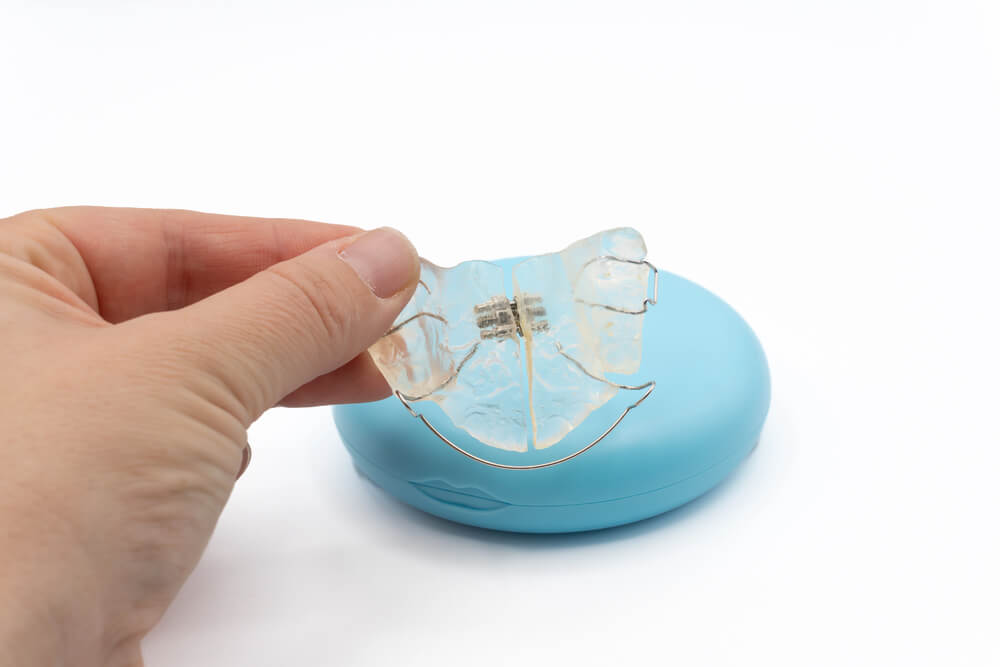
A palate expander gradually widens the upper jaw to create more room for permanent teeth and correct crowding. It works best during childhood because the palate is still two separate bones that haven’t fully fused yet. That open growth plate is what makes guided expansion more effective at this stage than it would be later.
Palate expanders are often used to treat:
- Crossbites, where some upper teeth sit inside the lower teeth instead of outside them
- Crowding from a jaw that is too narrow to fit all the permanent teeth
- Narrowing that may affect breathing or airway development
Most children adjust to a palate expander within a few weeks. Your orthodontist will show you how to activate it at home, usually with a small key that turns the expander a tiny amount each day to gradually widen the arch over time.
Space Maintainers
If your child loses a baby tooth earlier than expected, the surrounding teeth can drift into the open gap. As part of early interceptive orthodontics, a space maintainer holds that space open so the permanent tooth has room to come in correctly. Without one, the incoming tooth may come in crooked or in the wrong spot, which can create alignment problems that are harder to fix later.
Partial Braces
Your orthodontist may place partial braces on just a few teeth that are significantly out of position. Moving those specific teeth early can make it easier to align the rest of the smile later and may shorten any second phase of treatment.
Habit Appliances
Habits like thumb sucking or long-term pacifier use can change the way your child’s jaw and teeth develop over time, which is often called “pacifier teeth.” A habit appliance is a small device placed in the mouth that helps break the habit and redirect jaw growth. If your child has already had bite changes related to pacifier use, this type of appliance may be part of their interceptive orthodontic treatment plan.
Functional Appliances
Functional appliances guide jaw growth and are typically used when the upper and lower jaws aren’t lining up correctly as they develop. If your child is developing an overbite or underbite because of jaw positioning, a functional appliance works with the natural growth process to make corrections that would be much harder to achieve once the jaw is done growing.
What Is the Difference Between Interceptive and Corrective Orthodontics?
Think of interceptive and corrective orthodontics as two phases with different goals. Interceptive treatment addresses your child’s jaw, bite, and spacing before the permanent teeth are in place. Corrective treatment, like full braces or clear aligners, focuses on aligning the teeth once the smile has mostly finished developing.
If your child receives early orthodontic treatment, they may still need corrective treatment later. Still, that second phase tends to be shorter and less involved because your orthodontist was able to address any underlying issues during the interceptive orthodontic phase. In some cases, interceptive care reduces the need for more extensive treatment altogether.
What Is the Best Age for Interceptive Orthodontic Treatment?

The best age for interceptive orthodontics is generally between 6 and 10 years old, though the right timing depends on the specific issue being treated. The American Association of Orthodontists recommends that you schedule your child’s first orthodontic appointment by age 7. At that age, most children have a mix of baby and permanent teeth, which gives the orthodontist enough information to spot developing problems before they become harder to correct.
Learn If Your Child Needs Interceptive Orthodontics
If you’re looking for an orthodontist in Queen Creek or throughout San Tan Valley, Peterson Family Orthodontics specializes in evaluating children at the right stage of development. Dr. Scott Peterson and his team use advanced digital tools to get a clear picture of how your child’s jaw and teeth are progressing, and they’ll walk you through exactly what they find.
Your child might be ready for early interceptive orthodontic treatment, benefit from simple monitoring, or need corrective care later. Either way, you’ll leave with clear answers, practical next steps, and a plan that fits your child’s needs.
To find out whether interceptive orthodontics is the right step for your child, schedule a free consultation with Peterson Family Orthodontics today.