
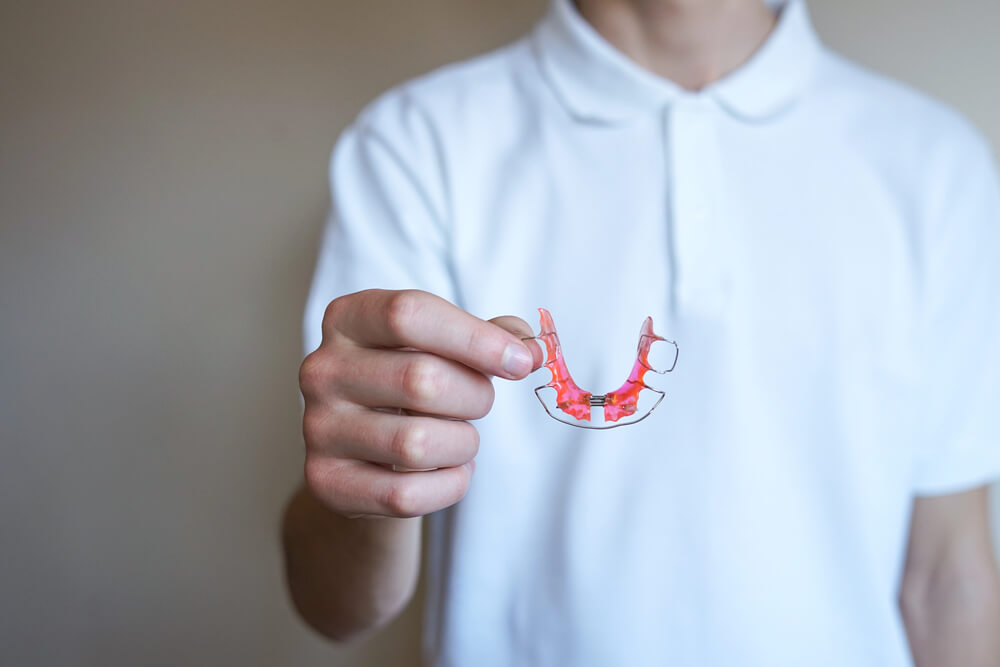
Palatal expanders might sound intimidating, but they’re a common orthodontic treatment that helps widen the upper jaw and support long-term dental health.
Key Takeaways
- Palate expanders work best while your child is still growing, but adults can get them as well.
- Most people feel brief pressure or tingling after adjustments, but discomfort is mild and short-lived.
- Expanding the palate can support more than just straighter teeth.
If you’re a parent researching orthodontics for kids, you may have heard an orthodontist mention a palatal expander. Palate expander treatments have become a standard solution in pediatric orthodontics to help kids achieve a healthy smile. But what are these expanders like, and when should you ask your orthodontist about them?
What Are Palatal Expanders?
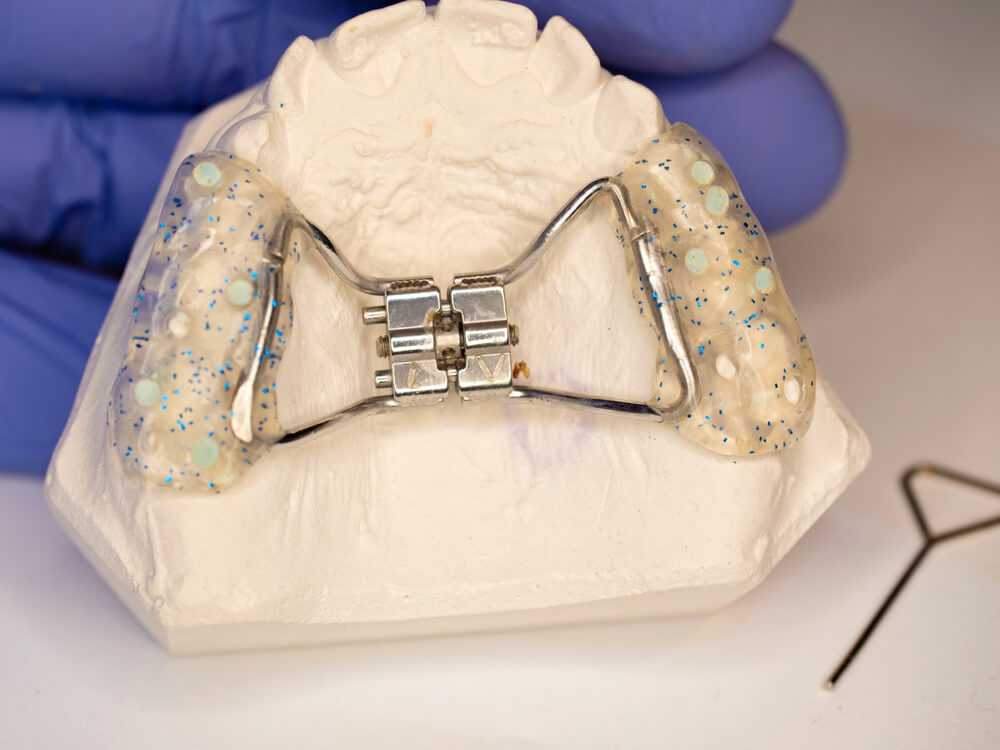
Palatal expanders are custom orthodontic devices that fit against the roof of the mouth and attach to the upper teeth. They work by applying gentle outward pressure to widen the upper jaw slowly. Most fixed expanders include a small screw in the center that you or your child turns with a special key each day. These small turns gradually separate the two halves of the upper jaw, creating a wider dental arch.
Some expanders are removable, while others are fixed in place. A common option is the rapid palatal expander (RPE), which widens the jaw over a few weeks. For teens and adults, specialized expanders such as MARPE (Mini-Implant Assisted Rapid Palatal Expander) anchor to the jaw with tiny implants.
What Is the Best Age for Palate Expanders?
The ideal age for a rapid palate expander is 7–10, while the jaw is still growing and flexible. Early treatment works faster and more predictably, often preventing extractions or surgery later. Older teens and adults can still expand their palate using MARPE or surgical options if needed.
Do All Kids Need Palate Expanders?
Not every child will need a palate expander. Your orthodontist will assess your child’s mouth and determine if an expander is necessary.
How Painful Is a Palate Expander?
Many parents and kids worry about palate expander pain, but the reality is that it causes more mild discomfort or pressure rather than sharp pain. Your child might feel a sense of pressure across the roof of the mouth or tingling around the nose or cheeks. This feeling usually lasts only a few minutes after each key turn, and most kids adapt to their palatal expander within about a week.
What Are the Benefits of Palatal Expanders?
Palate expanders offer several important benefits for your child’s dental health and overall development.
Creates Proper Space for Teeth
One of the biggest benefits of a palatal expander is that it creates more space in your child’s mouth for adult teeth to come in properly. If your child’s upper jaw is narrow, teeth may crowd, overlap, or come in crooked. Widening the upper jaw helps give teeth the room they need to line up naturally.
In many cases, expanding the palate can reduce or even prevent the need to remove permanent teeth later on. More space also lowers the chance of teeth becoming impacted, meaning they get stuck and can’t come in on their own.
Improves Bite and Jaw Alignment
A palate expander can help your child’s top and bottom teeth fit together the right way. If your child has a crossbite, where the upper teeth sit inside the lower teeth, expanding the upper jaw can correct this problem.
A better bite helps protect teeth from uneven wear and allows the jaws to grow in a balanced way. When the jaws line up correctly, your child’s lower jaw doesn’t have to shift to close comfortably, which can help prevent jaw strain as they grow.
Supports Better Breathing
Expanding the upper jaw can also help improve how your child breathes. The roof of the mouth sits just below the nasal passages, so when the palate is widened, it can also create more space for airflow in the nose. This may make it easier for your child to breathe through their nose instead of their mouth.
Some parents notice less snoring and better sleep after palatal expansion. While it’s not a treatment for serious breathing conditions on its own, the extra space can support healthier breathing and better sleep for some children.
Is a Palatal Expander Right for Your Child?

Are you looking into San Tan Valley orthodontics because you’re concerned about your child’s narrow jaw, crowded teeth, or bite issues? They may need a palatal expander. At Peterson Family Orthodontics, your child’s care is always personalized and never rushed.
Dr. Scott Peterson will take the time to walk you through whether a palatal expander is necessary, what the process looks like, and how it fits into your child’s overall orthodontic plan. His calm, family-first approach helps kids feel comfortable and gives parents clear, honest answers without pressure.
To make getting started easy, you can meet with Dr. Peterson in person or choose a virtual consultation from home. If you’re ready to get expert guidance, schedule an orthodontic consultation today.