

Before you start Invisalign® treatment, you should know what goes into the price, what insurance may actually cover, and how to make the monthly cost feel more manageable.
Key Takeaways
- The average cost for Invisalign® in San Tan Valley typically falls between $3,000 and $8,000, depending on the treatment level your orthodontist recommends for your case.
- Dental insurance may cover a portion of your Invisalign® costs, but lifetime plan limits and age restrictions can significantly affect how much you’ll save.
- Payment plans, HSA/FSA funds, and orthodontist financing can all help you manage the price of Invisalign®.
Invisalign® is one of the most popular ways to straighten teeth without traditional metal braces, and it’s easy to see why. The clear, removable aligners are nearly invisible during wear and fit into your daily routine. But is this popular orthodontic treatment affordable?
This guide breaks down the average cost for Invisalign® in San Tan Valley, AZ, what typically influences that price, and how Invisalign® works if you have a tight budget.
What’s the Average Cost for Invisalign®?
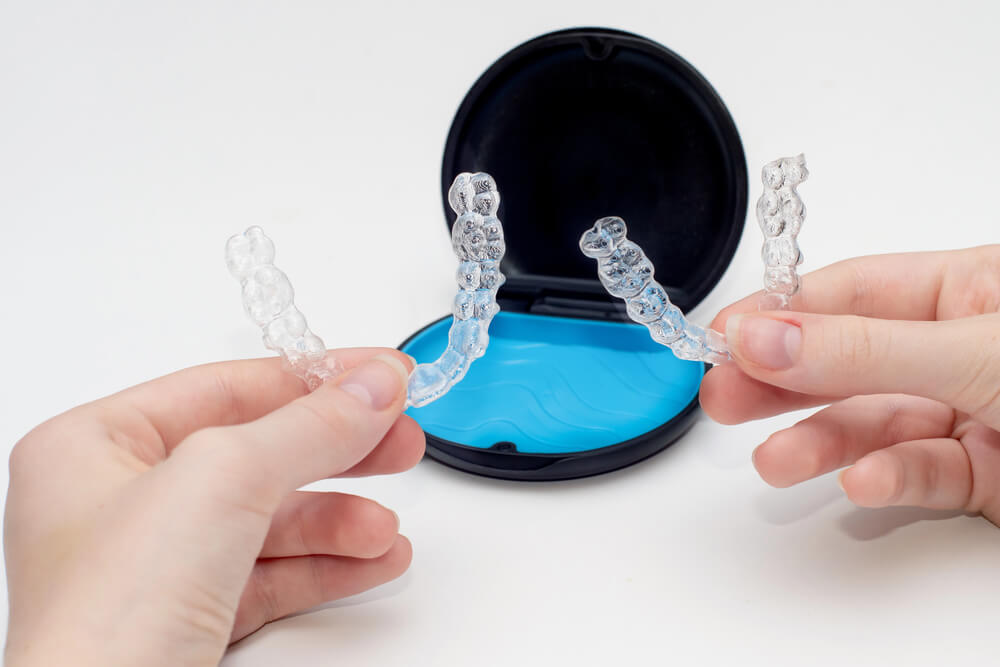
The average price of Invisalign® for most patients ranges from around $3,000 to $8,000, while very minor cases may cost less. Each patient’s Invisalign® treatment is built around their specific teeth, bite, and orthodontic goals, which is why two people receiving clear aligners can pay very different amounts based on what their alignment issues involve.
What Can Change the Price of Invisalign®?
Your Invisalign® costs in Arizona will change depending on how much tooth movement your case actually requires and how long treatment takes to get there.
Minor Tooth Movement May Cost Less
If your teeth only need a small amount of movement, your treatment will usually be shorter and require fewer aligner trays, which can help bring the cost down. This may apply if your teeth have drifted slightly over time or shifted after a previous round of orthodontic treatment.
If you want Invisalign® after braces to fix minor relapse, you may be a good candidate for a shorter, more affordable plan. In cases like these, you may complete treatment in just a few months, making this one of the more accessible entry points into Invisalign®.
Complex Bite or Alignment Issues May Cost More
If your Invisalign® treatment needs to correct bite problems, not just the appearance of your teeth, your treatment will typically take more time and more aligner trays to complete. Significant crowding, spacing, or issues with how your upper and lower teeth come together may require more carefully planned correction.
You may also need small attachments placed on your teeth to help guide movement more precisely. These attachments can make certain movements more predictable, but they also add to the overall treatment involved.
In other words, the more movement your teeth need, and the more precisely that movement has to be guided, the higher your Invisalign® cost is likely to be.
Will Insurance Cover Invisalign®?
It’s possible to get Invisalign® with insurance, but not all dental plans cover orthodontic treatments. Plans that include orthodontic coverage set a lifetime maximum somewhere between $1,000 and $3,000. Once the plan hits that limit, it stops paying, regardless of what’s left in your treatment. So even if your plan covers 50% of orthodontic costs, your actual savings may be lower than you’d expect if your coverage cap is on the lower end.
How Can You Get Invisalign® If You Can’t Afford It?
If the cost of Invisalign® feels like it might be out of reach, you may still have some options to consider.
Using Dental Insurance
Dental insurance coverage for Invisalign® can be confusing because every plan handles orthodontic benefits differently. If you have dental insurance, call your provider and ask how your plan covers clear aligner treatment.
For example, ask whether Invisalign® is covered the same way as braces, whether adult orthodontic treatment is included, and whether your plan has a lifetime orthodontic maximum. Once you understand the type of coverage your plan offers, you’ll have a better idea of your actual out-of-pocket cost before starting treatment.
Paying With HSA/FSA Benefits
If you have a Health Savings Account (HSA) or a Flexible Spending Account (FSA), you may be able to use those funds toward Invisalign® since it qualifies as an orthodontic expense. Because both accounts are funded with pre-tax dollars, your money goes further than it would if it came straight from your paycheck.
Financing Through Your Orthodontist
Many orthodontic offices offer monthly payment plans so you’re not paying everything up front. Peterson Family Orthodontics, your orthodontist in San Tan Valley, offers flexible financing and an online cost estimator that gives you a rough idea of what your monthly payments could look like based on your down payment and insurance coverage. When you visit, ask about how long you can extend payments and whether interest-free periods are available.
Find Out the Cost of Invisalign® at Peterson Family Ortho

If you want to see what the cost of Invisalign® is for you, contact Peterson Family Orthodontics in San Tan Valley. During your consultation, Dr. Scott Peterson and his team will evaluate your teeth and bite, explain which treatment tier fits your situation, and give you a clear picture of how long you’ll need to use the clear aligners.
Our team also works with patients on financing options so that nothing has to get in the way of a straighter smile. Schedule an Invisalign® consultation at no cost and get a personalized answer you can actually plan around.